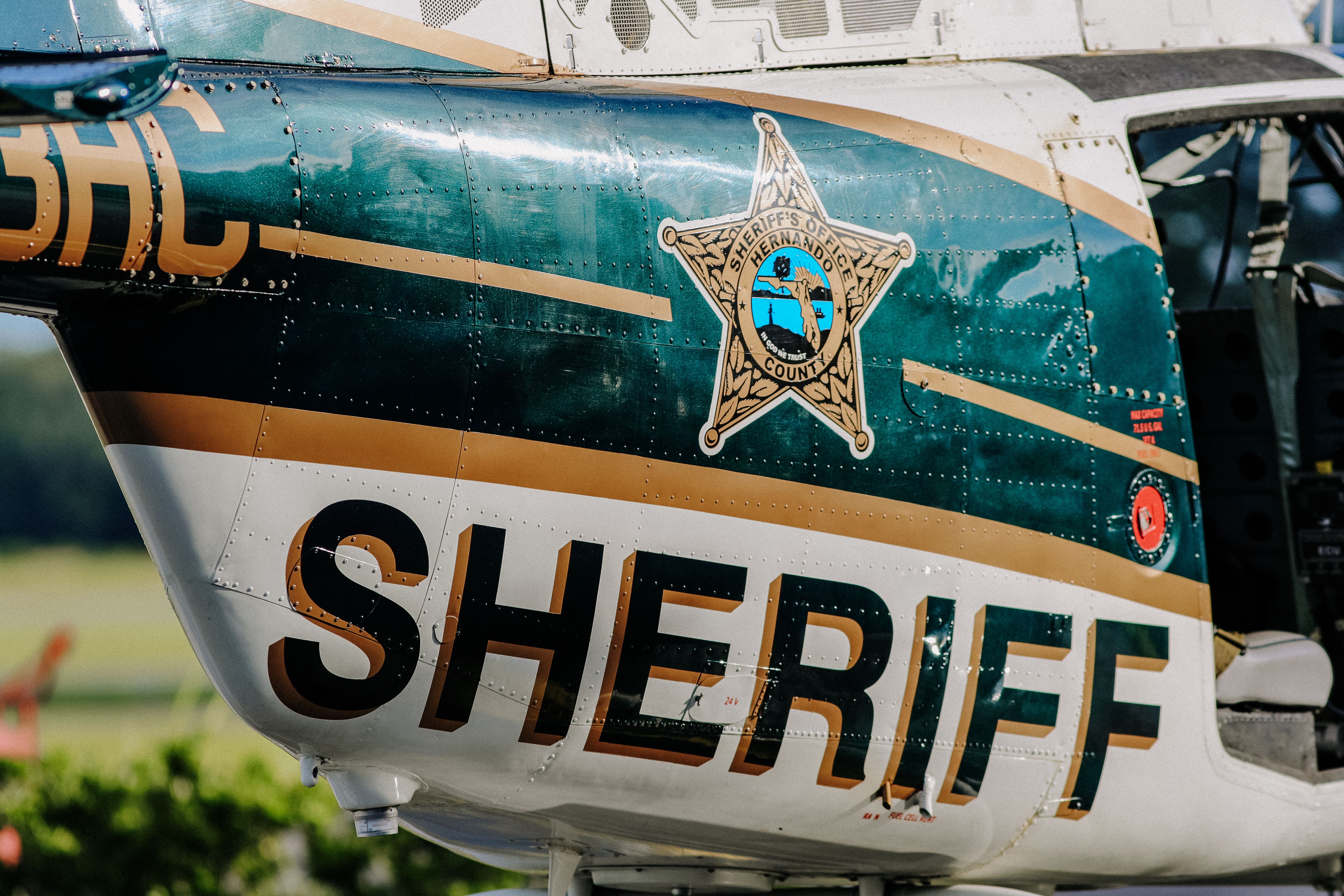
Fleet Replacement
Replacing obsolete patrol vehicles, boats, and helicopters to support operational needs.
Patrol Fleet
Understanding the Lifespan of a Vehicle
Current Fleet Status
- 9+ years of service on portions of the fleet
- 130,000+ miles on aging patrol vehicles
Duty Conditions vs. Personal Vehicles
Police interceptors operate under extreme conditions unlike standard driving:
- High-speed pursuits with rapid acceleration/braking
- Extended idling during emergency responses
- One patrol mile equals ~2x wear of standard driving
Risks of High-Mileage Vehicles
- Catastrophic repair costs exceeding vehicle value
- Increased mechanical failure during critical 911 responses
Our Fiscal Philosophy
Rotational Replacement Strategy
Rather than replacing entire fleets at once, we operate through a disciplined rotational schedule that:
- Prevents "budget spikes" from sudden bulk replacements
- Spreads costs across multiple fiscal years
- Maintains consistent operational readiness
Reduced Repair Costs
Proactive replacement prevents catastrophic repair expenses
Improved Efficiency
Newer vehicles consume less fuel and operate more efficiently
Reliable Operations
Officers have dependable tools for critical 911 responses
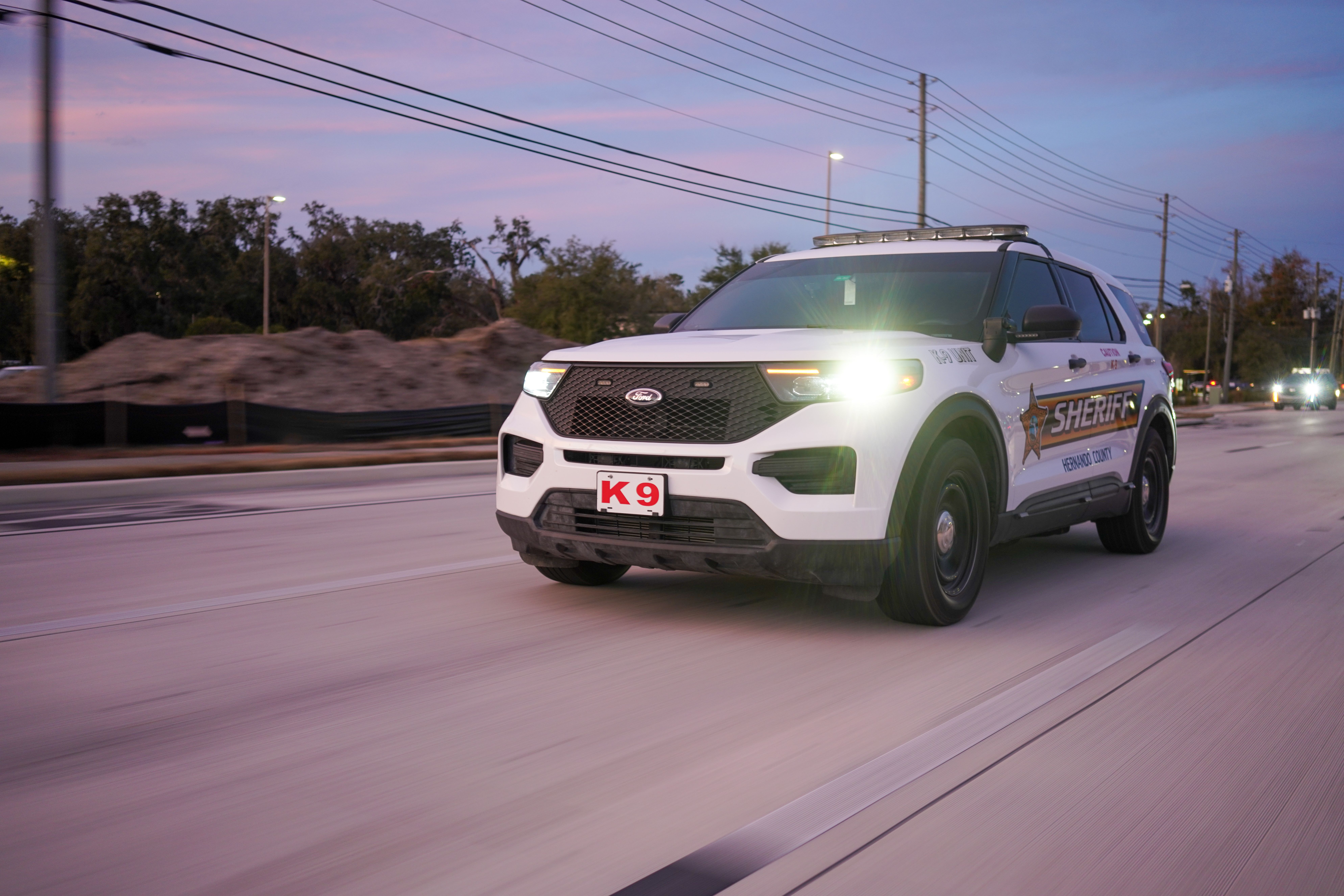
Five-Year Fleet Forecast
Excludes Marine and Aviation Units
| Fiscal Year | New Vehicles | Budget |
|---|---|---|
| 2025-2026 | 26 | $2,000,796 |
| 2026-2027 | 72 | $3,861,250 |
| 2027-2028 | 39 | $2,157,180 |
| 2028-2029 | 45 | $2,260,730 |
| 2029-2030 | 70 | $3,695,460 |
Forecast Period
2025-2030
Total New Vehicles
252
5-Year Total
$13.98M
Annual Average
$2.8M
Marine Fleet
Previous Vessel Retirement
2025 SeaArk Disposal
The agency's intermediate shallow water vessel—an 18' SeaArk with a 115/80hp Yamaha jet drive motor—was disposed at auction in 2025 due to significant operational deficiencies:
- Hull corrosion compromised structural integrity and reliability
- Physical damage including dents and broken console mounts from law enforcement operations
- Inadequate hull construction for demanding operational use despite commercial ratings
Gatortrax Replacement Vessel
Gatortrax boats were selected as the replacement platform based on their reputation for exceptionally robust construction and operational versatility. The new vessel significantly improves upon the previous SeaArk with enhanced durability, shallow-water capability, and safety features.
Hull & Design Improvements
Previous SeaArk
- • 0.100" aluminum hull thickness
- • 18' total length
- • Standard rear deck design
New Gatortrax
- • 0.190" aluminum hull (90% thicker)
- • 16' hull + lowered rear deck (18' total)
- • Enhanced accessibility for water operations
Operational Features
Shallow Water Capability
Tunnel hull and jack plate allow motor to be raised for navigation in extremely shallow waters when conditions dictate
Safety & Wildlife Protection
Jet drive motor with no exposed propeller minimizes wildlife impacts and protects the public from significant injuries
Enhanced Durability
Substantially thicker aluminum hull built to withstand demanding law enforcement operations and harsh waterway conditions
Operational Flexibility
Multiple seating configurations and 115/80hp jet drive motor provide versatility for rescues, patrols, and tactical operations
Equipment: 115/80hp Yamaha jet drive motor, tunnel hull, jack plate, multiple seating configurations
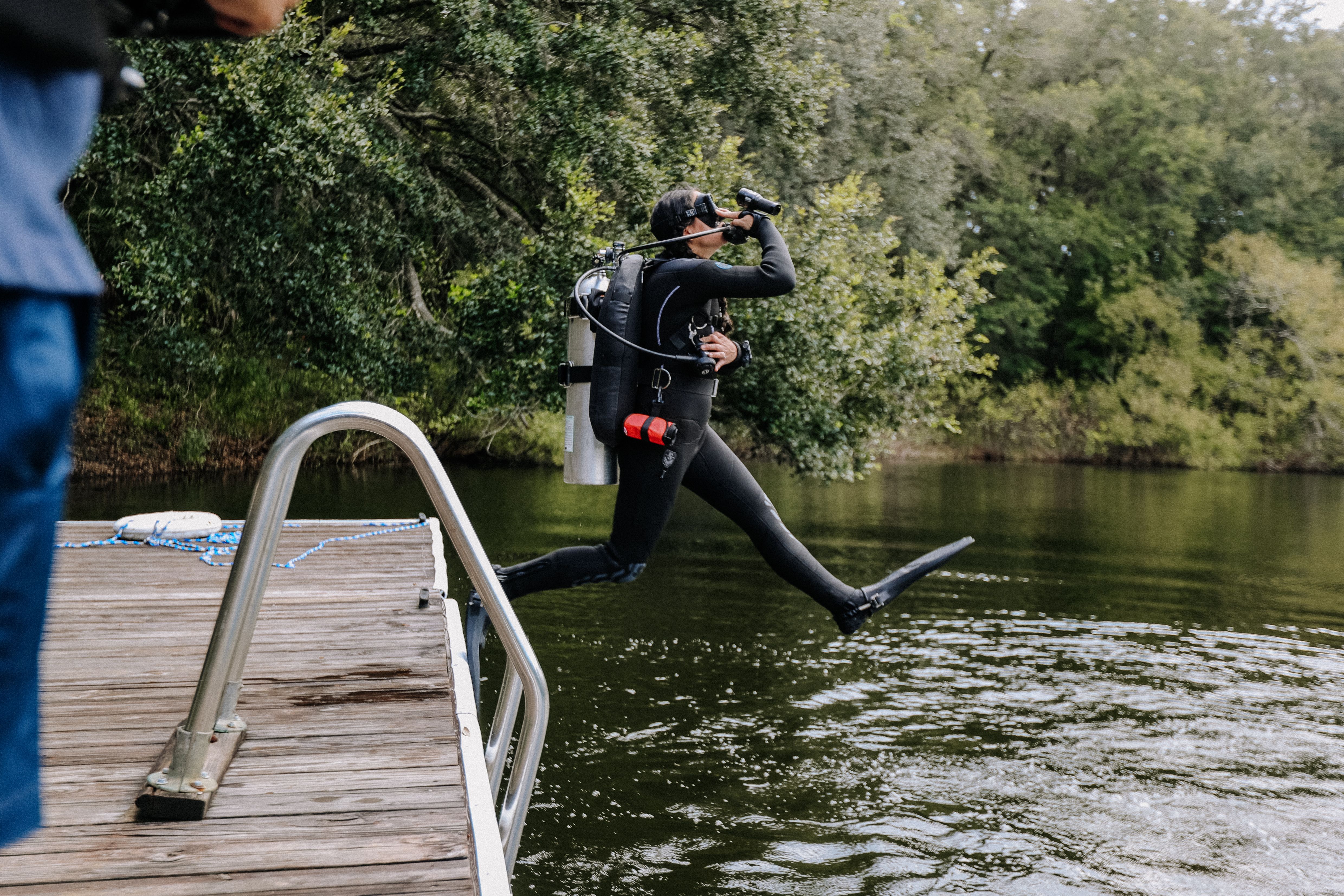
Urban Area Security Initiative Grant
An additional Gatortrax vessel with identical hull and motor specifications was proposed for an Urban Area Security Initiative (UASI) grant application submitted last year. This specialized vessel focuses on low-light and night operations to support security hardening of our county's shallow coastline and neighboring communities.
Grant Status
Pending confirmation. This initiative would provide enhanced technological capabilities for low-light maritime operations and coastal security operations.
Enhanced capabilities being sought include advanced low-light avionics and tactical communications systems to support multi-agency maritime security initiatives.
Aviation Fleet
Critical Parts Availability Crisis
Fleet Overview
- 1968 & 1972 Bell OH-58 Kiowa helicopters (50+ years old)
- Currently safe and mission-capable
- Two crew + two passengers capacity with payload limitations
Parts Supply Status
The Bell OH-58 Kiowa has not been produced since 1989. The military OH-58D variant ended production in 2000, and the civilian Jet Ranger line ceased in 2010.
- OEM parts unavailable—no new original equipment manufacturer components available
- LESO/1033 program depleted—military surplus parts supply exhausted
- Third-party sourcing—reliant on overhauled or remanufactured components
- Extended lead times—critical parts like rotor blades can take up to 1 year to procure
- No-longer-available (NLA) parts—some components require custom reverse engineering
Viability Timeline
Industry experts estimate that viable parts availability for the OH-58 platform may be exhausted within the next five years, creating significant risk to sustained operations.
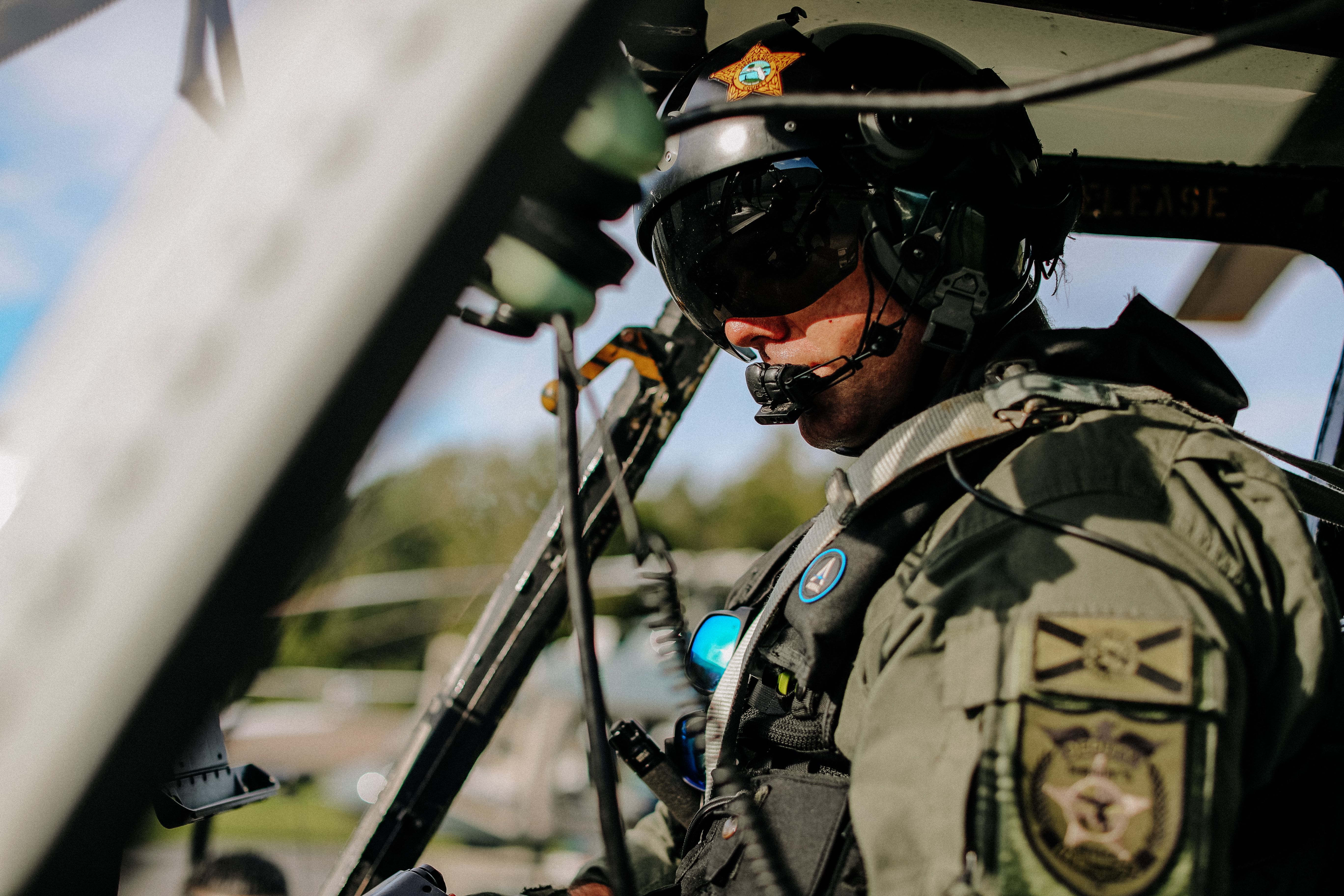
Modern Replacement Aircraft
Bell Helicopter can deliver new aircraft approximately one year after execution of a purchase agreement. Quality pre-owned helicopters are also available as cost-saving alternatives, provided they meet operational and safety requirements.
Bell 407
Widely used in law enforcement with demonstrated reliability across diverse operating environments. Modern safety systems, improved avionics, and higher performance capabilities.
Airbus H125
Proven law enforcement platform with excellent reliability. Enhanced performance, modern avionics, and capability to support multi-mission operations.
Key Capabilities of Modern Aircraft
Safety Systems
IIMC recovery technology allows pilots to transition to instrument flight during adverse weather, significantly improving safety outcomes
Increased Capacity
Support up to five fully equipped SWAT operators while maintaining safe power margins (vs. current two crew + two passengers)
Enhanced Performance
Increased fuel capacity, higher airspeeds, and more powerful engines to support multi-mission operations
Mission Flexibility
Hoisting, firefighting, tactical deployments, and night vision operations with modern avionics