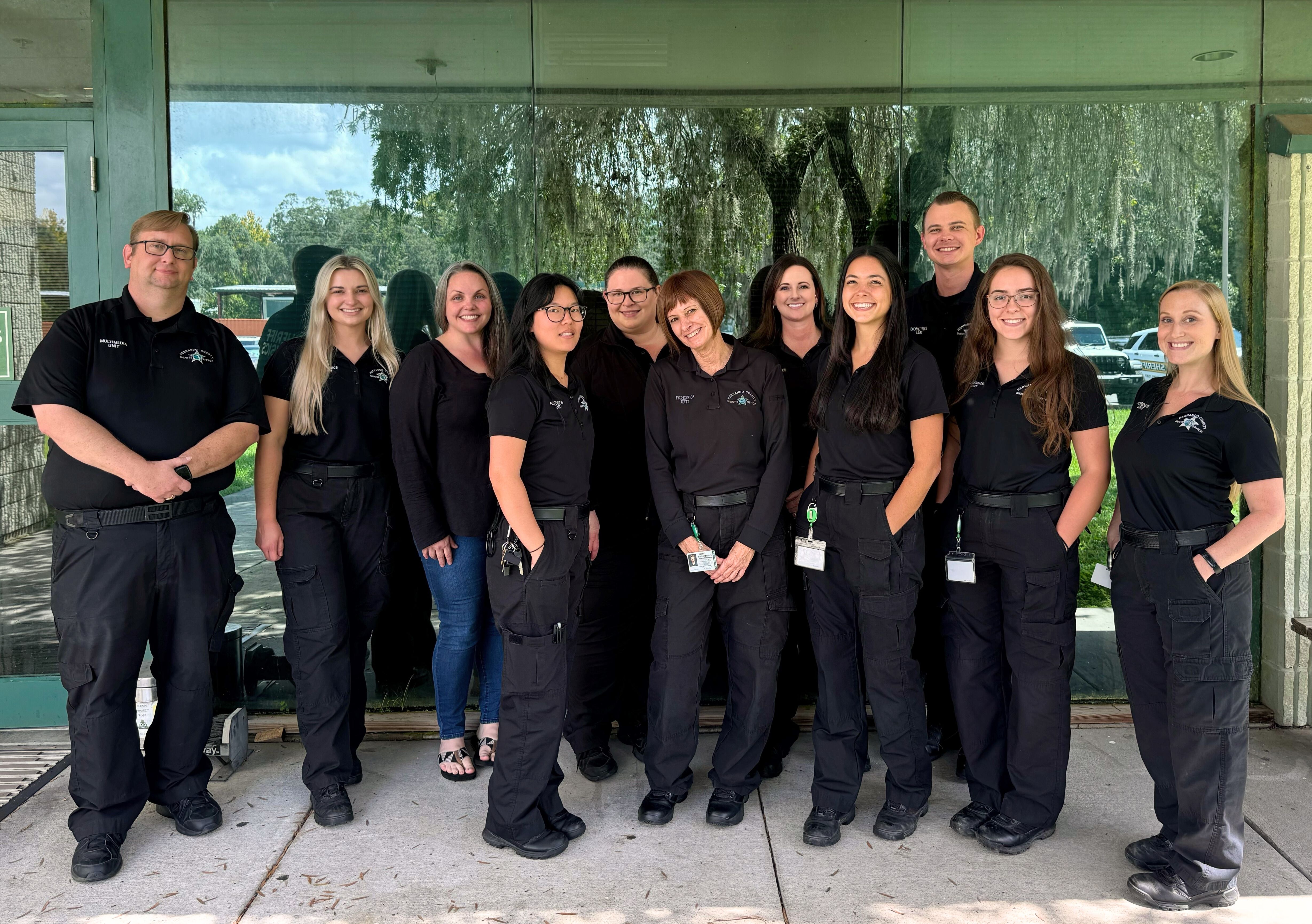
Forensics Lab Expansion
Keeping pace with growing demand and supporting timely criminal investigations.
Today's Space Problems
Storage Conflicts
Equipment stored in active work areas instead of dedicated stations.
No Room for Growth
Cannot add equipment or tools that have already been purchased.
Workflow Delays
Staff compete for limited space, slowing evidence processing.
Safety Risks
Overcrowding and floor storage create hazards for staff.
Underutilized Tools
Some equipment sits unused due to lack of operational space.
External Reliance
Evidence sent to external labs to work around space limitations.
The Unit Outgrew Its Space 30 Years Ago
Since 1990, the forensics unit has tripled in size, added modern technology, and expanded its responsibilities—but the physical workspace hasn't changed.
1990
- 4-5 employees assigned to the unit
- Focus on evidence collection
- Limited forensic processing capabilities
- Heavy reliance on outside agencies
Today
- 13 trained professionals
- Multiple specialized divisions
- Modern forensic technology
- More evidence processed in-house
Three Specialized Divisions
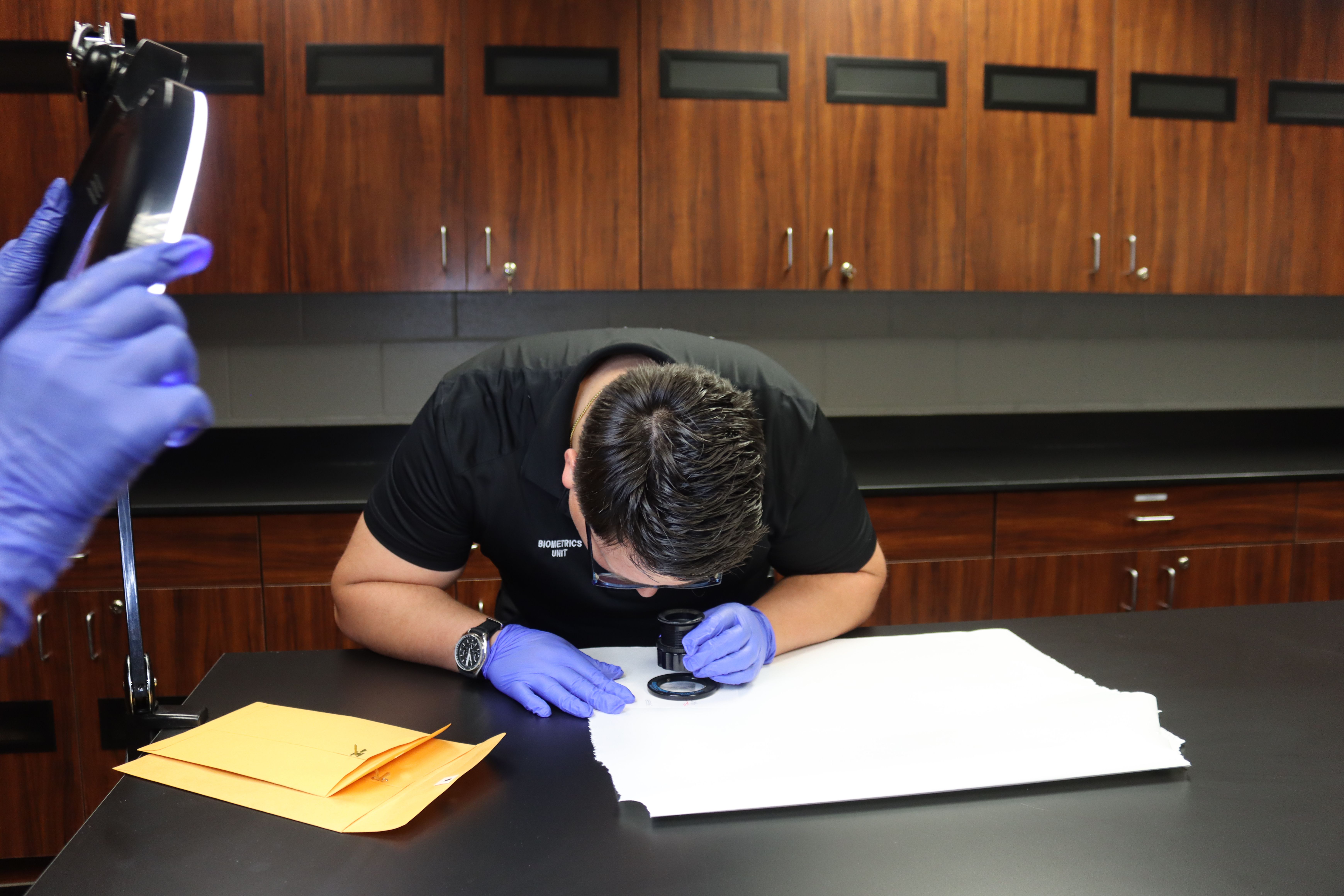
Biometrics
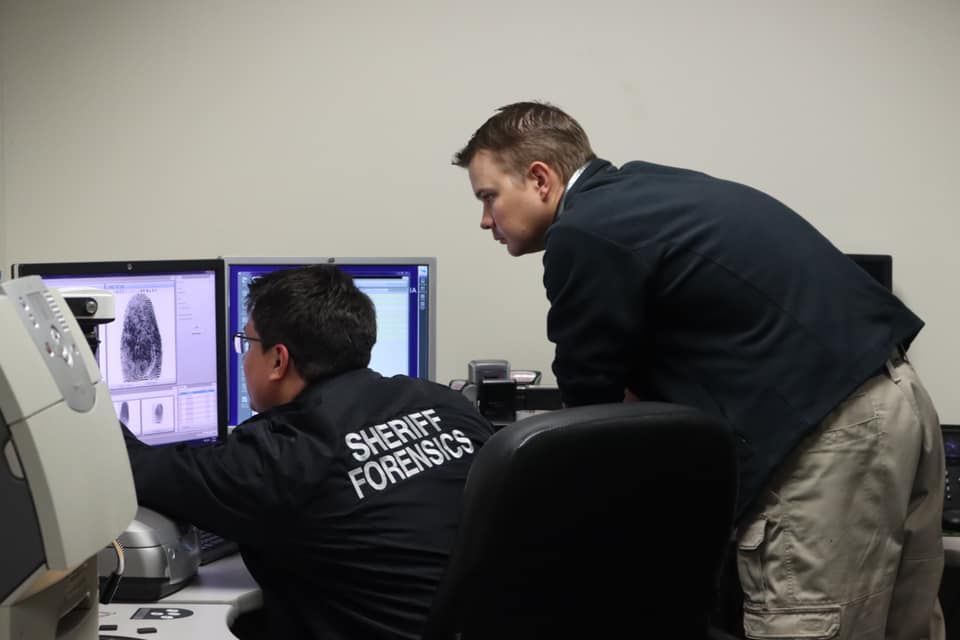
Fingerprint identification and records management—the foundation of many investigations.
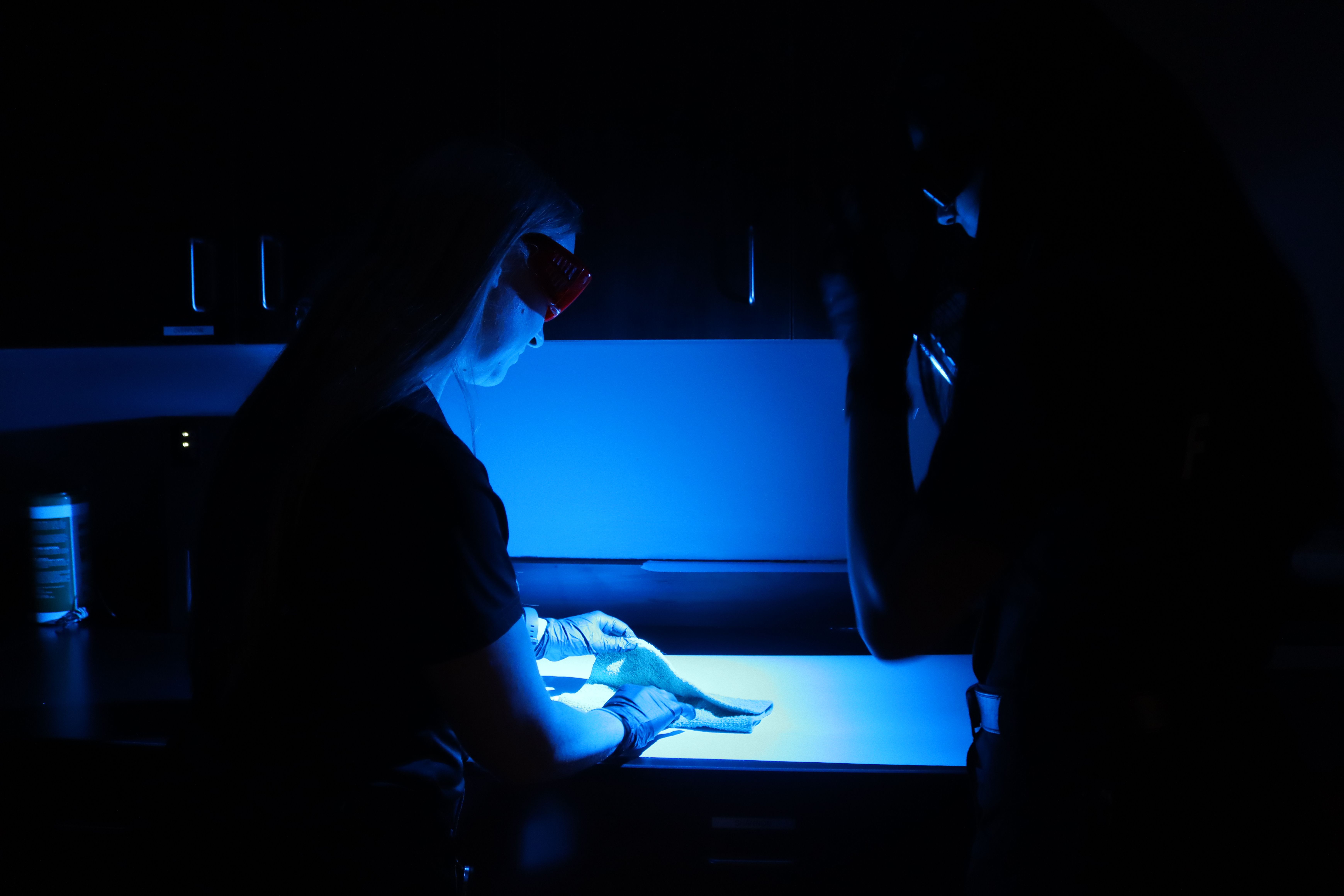
Forensic Analysis
Crime scene evidence collection and laboratory analysis—including DNA and chemical testing.
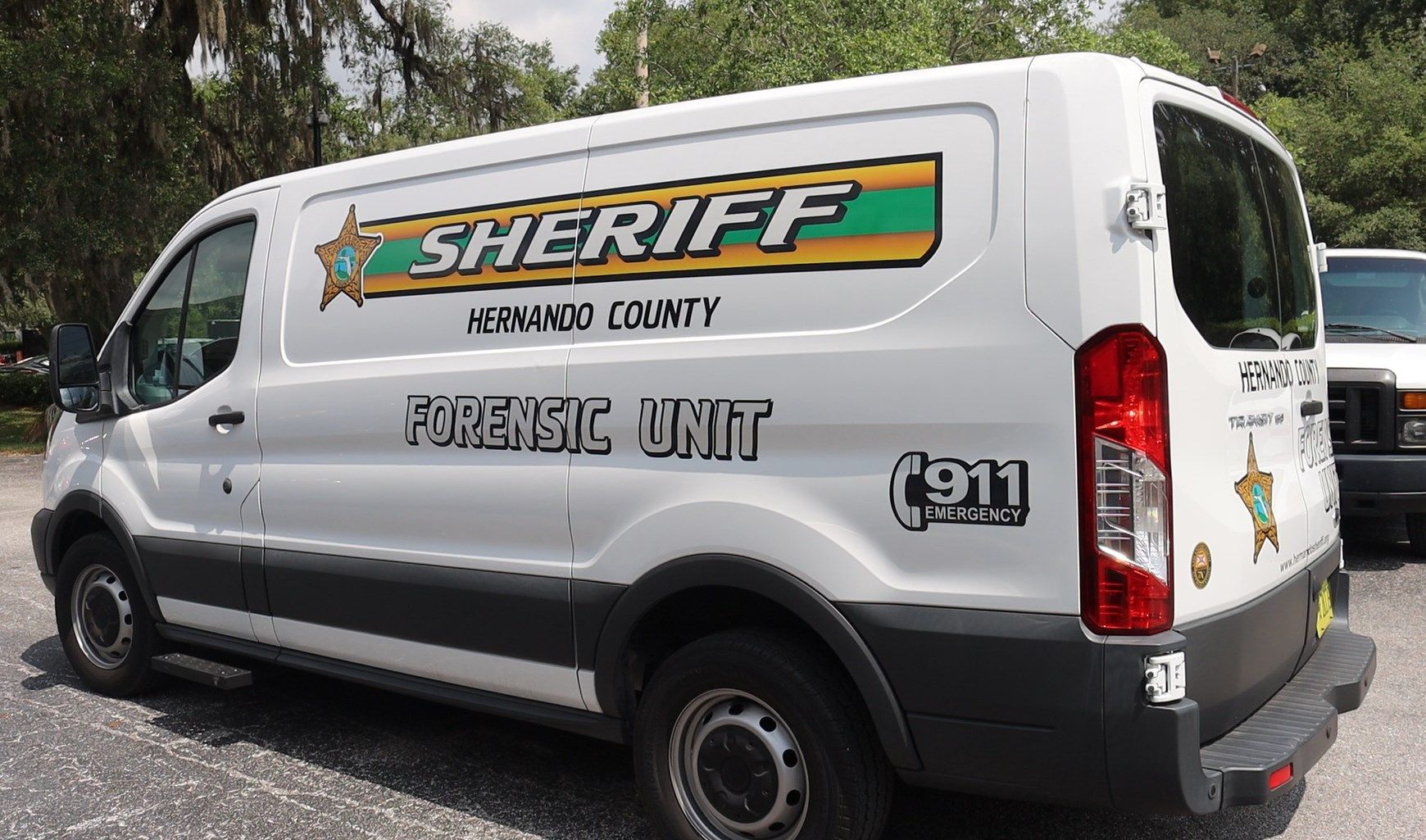
Digital Evidence
Video analysis, digital forensics, and multimedia evidence processing.
What They Process Today
The unit currently handles:
- Fingerprint analysis and matching
- DNA collection and testing
- Firearm examination and ballistics testing
- Evidence documentation and photography
Some highly specialized testing is still conducted by FDLE or private laboratories when required.
Why Speed Matters
With adequate space and equipment, the difference between in-house and external labs is dramatic. Faster evidence processing means faster investigations, faster closure for victims, and more resources available for new cases.
In-House Processing
12-48 Hours
External Laboratory
2-3 Months
Equipment Needs Dedicated Space
Every specialized tool in the lab requires physical space—proper ventilation, secure storage, and room to operate safely. Below is what they have today and what they need to add. Each piece of equipment shown below requires the right environment to function effectively.
Current Equipment Constraints
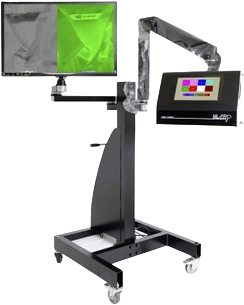
ML Pro
Currently have one. Takes up considerable space to house and operate.
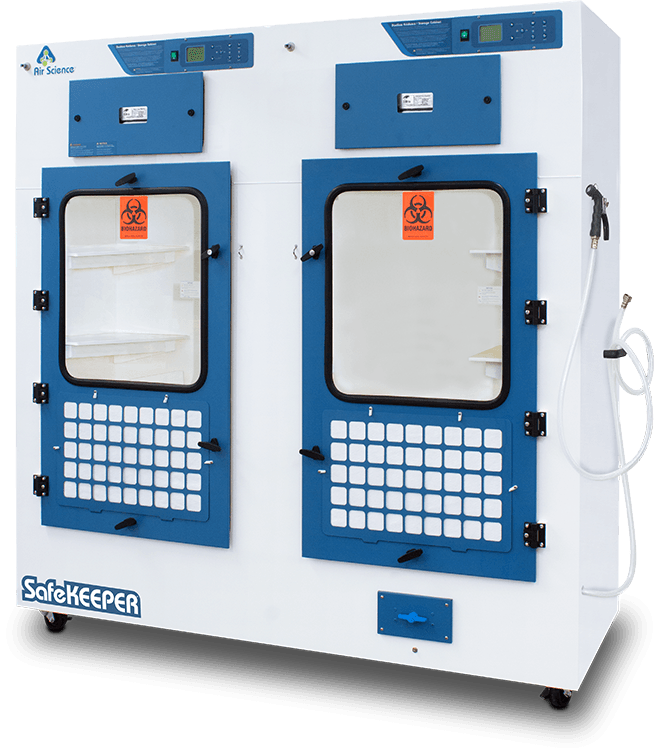
Drying Cabinets
Own three but need more. Separate cabinet required for each subject to prevent cross-contamination.
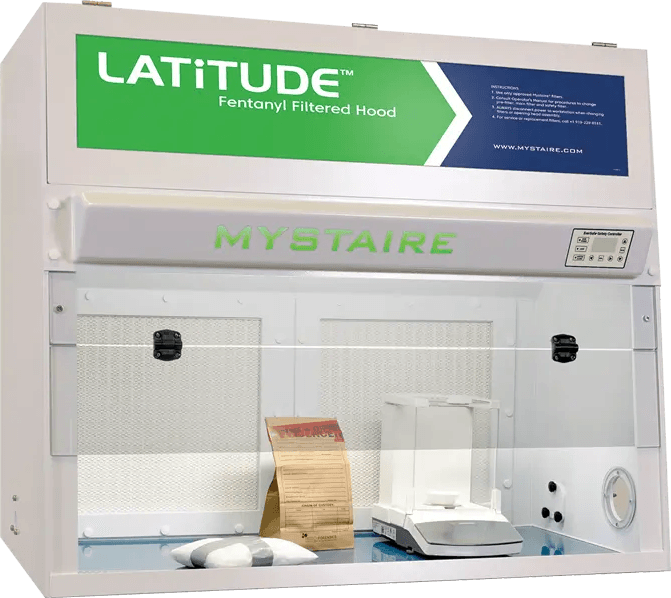
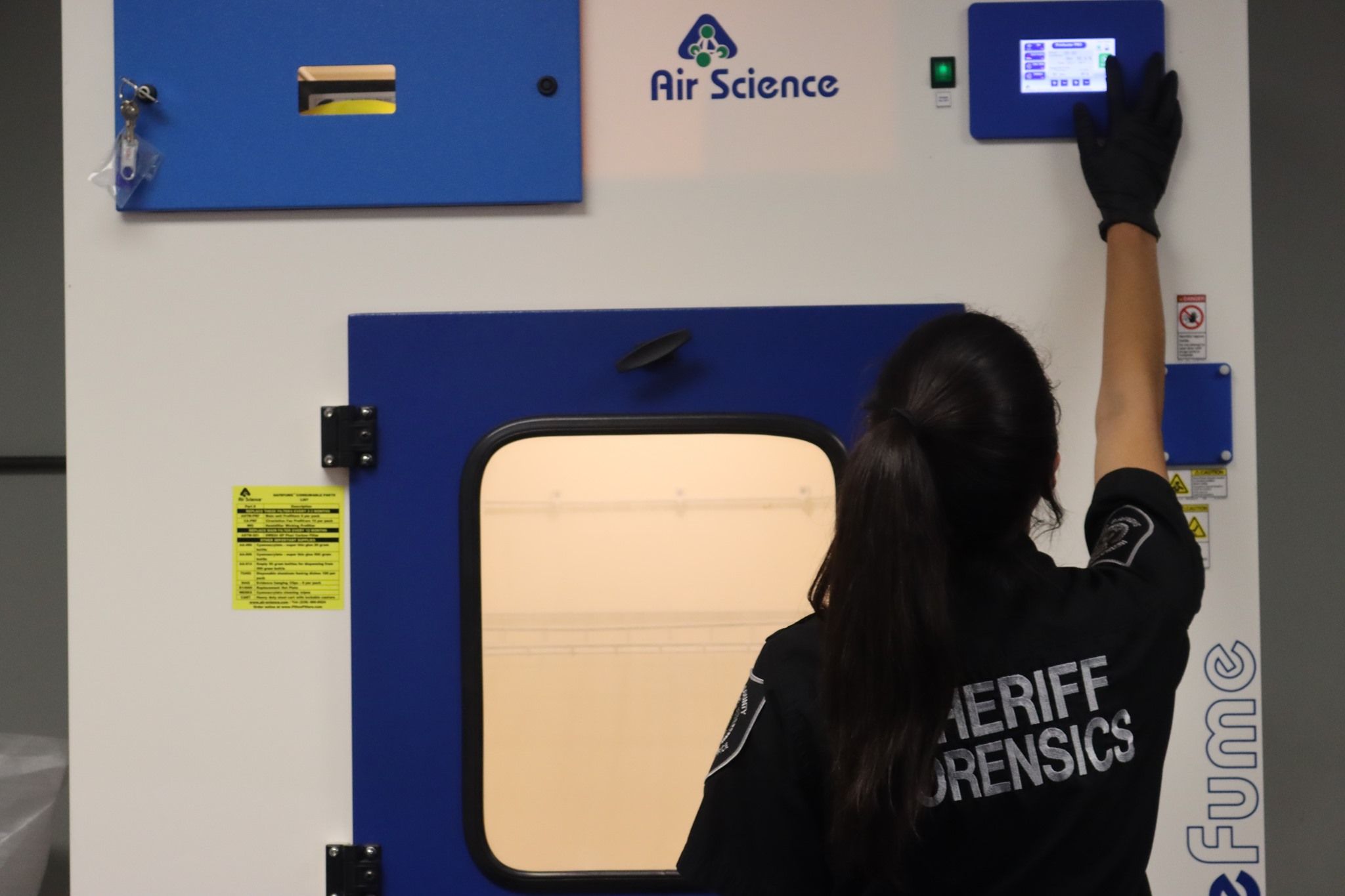
Fume Hoods
Currently have one. Need Fentanyl-safe second hood for evidence handling with adequate space.
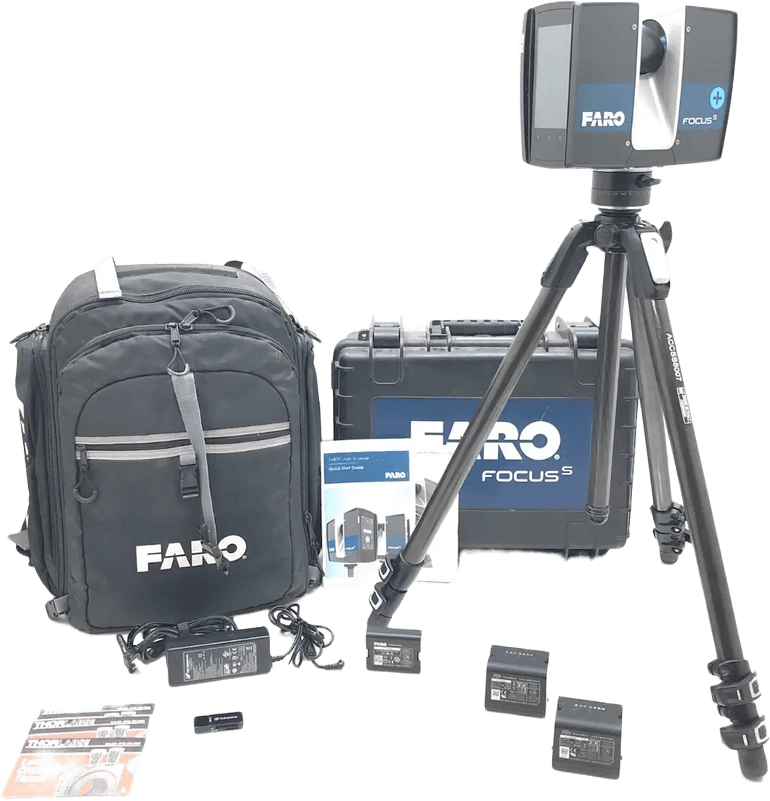
FARO Laser Scanner
Own one for 3D crime scene reconstruction. Second system requires storage for probes and accessories.
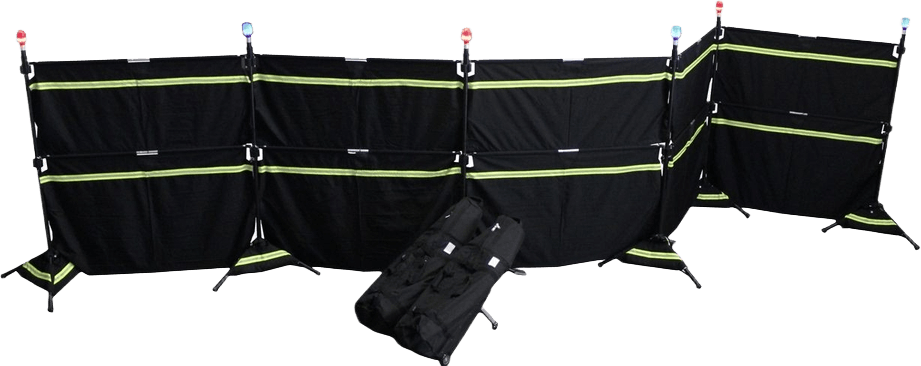
Forensic Shields
Heavy barricades for scene security. Currently stored on floor, creating hazards and limiting room use.
Planned Equipment Requiring Space
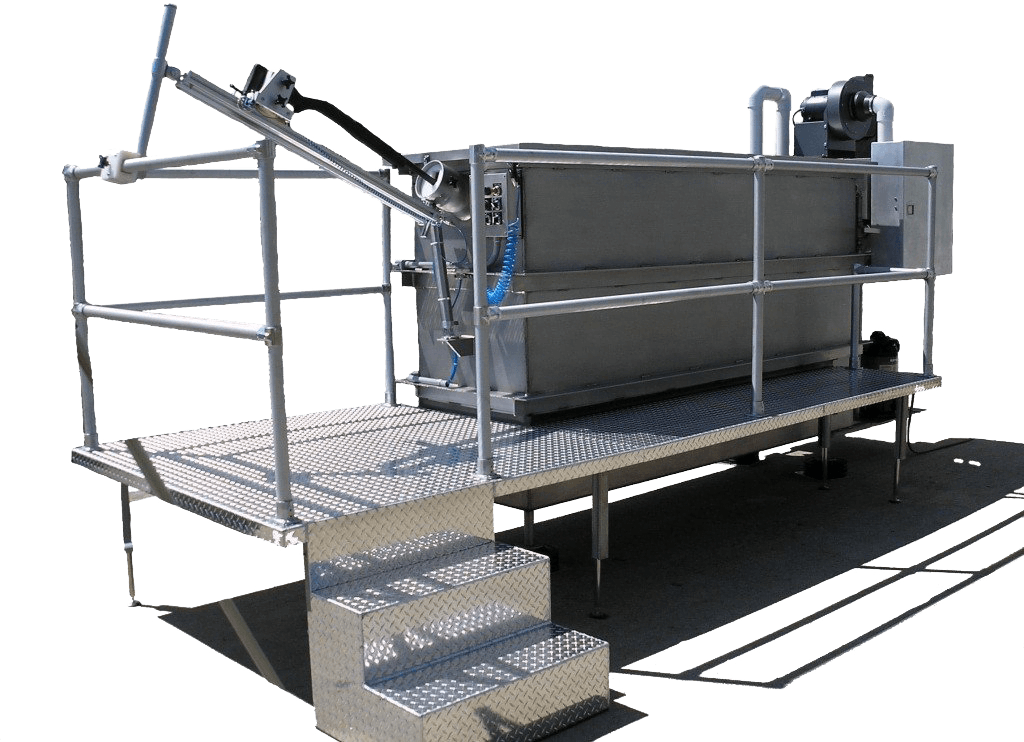
Bullet Recovery Tank
Largest equipment procurement. Used for firearm test-firing with no ideal location available.
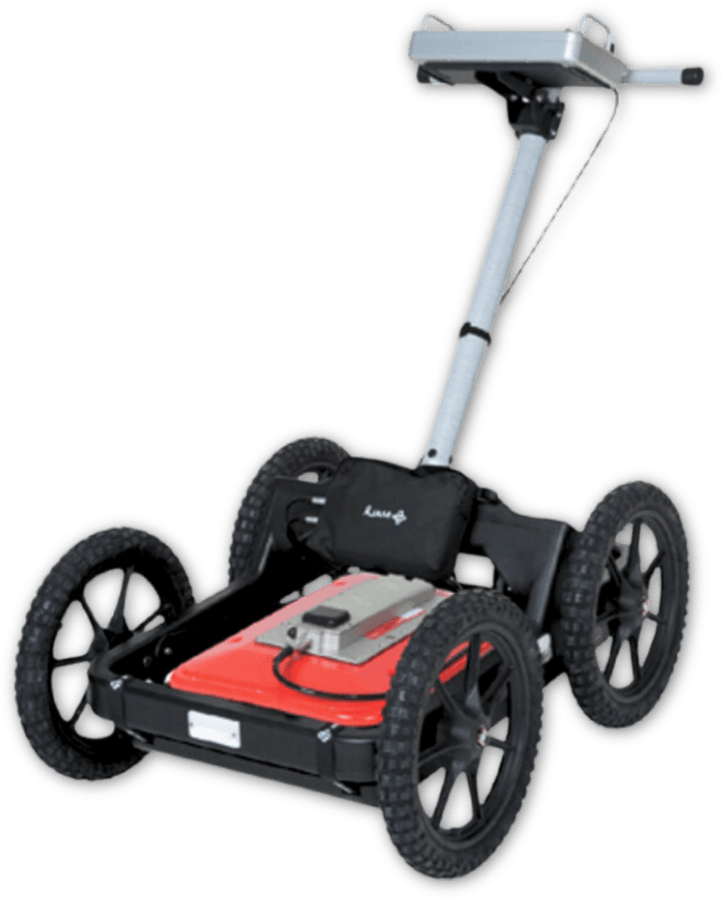
Ground Penetrating Radar
Detects buried remains using sonar waves. Requires significant storage space.
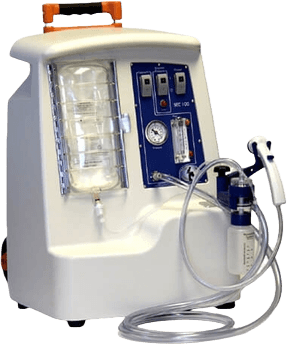
M-vac
Wet vacuum system for DNA collection from difficult surfaces. Requires operational and storage space.
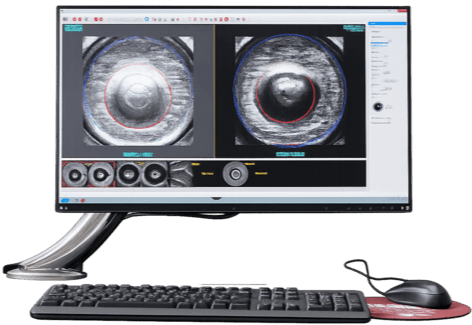
NIBIN System
Cartridge casing comparison system. Requires dedicated, unshared room for security protocols.
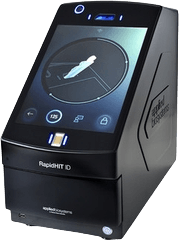
Rapid DNA System
In-house DNA analysis providing results in hours. Requires dedicated room and cold storage.
The Bottom Line
- Modern equipment needs room to work
- Evidence must be handled safely and securely
- Staff need space to work without risks
- Future technologies require room too
The current workspace was designed for a much smaller unit in 1990 and has become increasingly constrained as capabilities expanded.